




Contents
Share



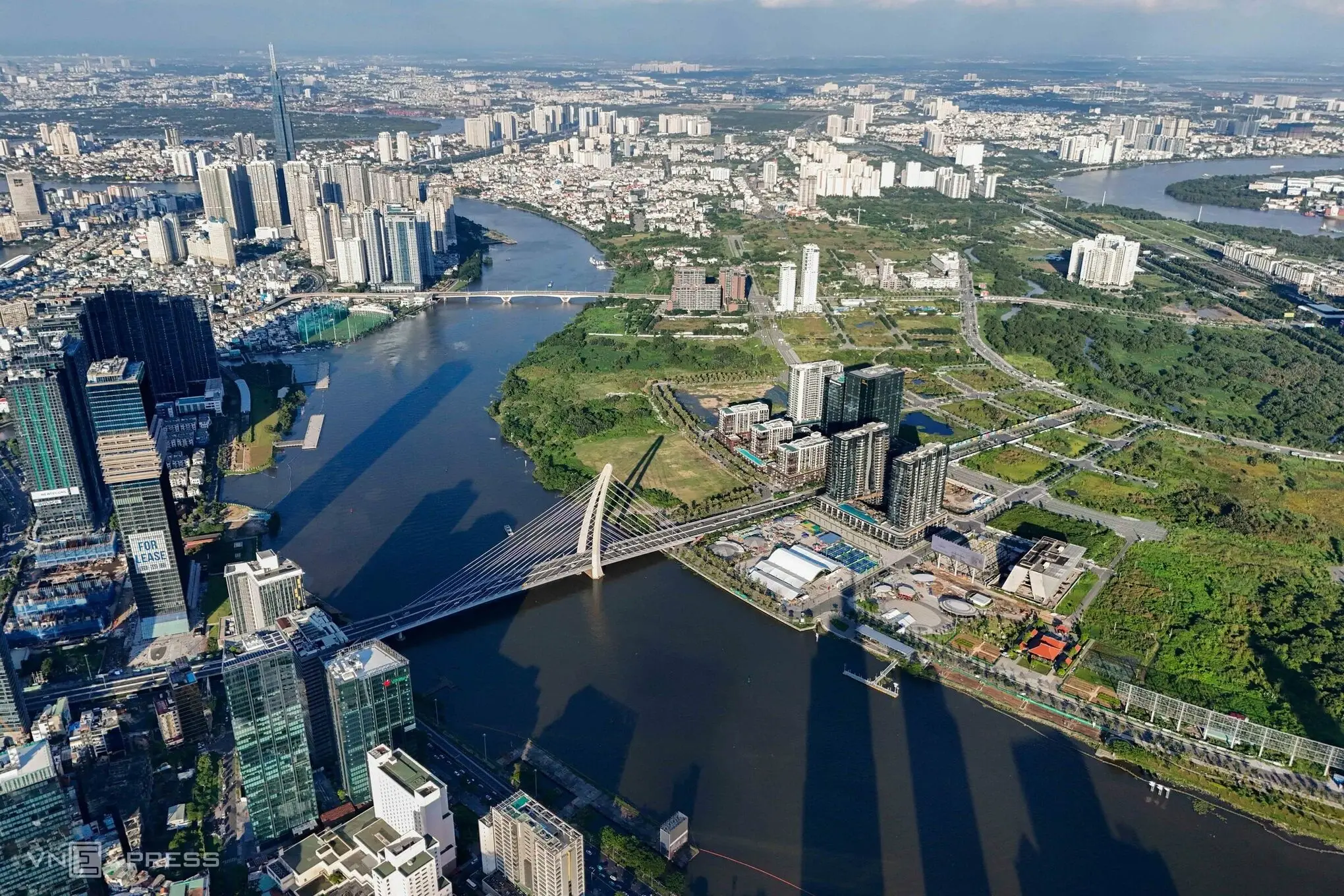
Ho Chi Minh City is one of the easiest places in Asia to set up as a remote worker, and word has gotten around. The internet is quick, a month of comfortable living here runs about what a week costs back home for a lot of people, and the expat crowd is big enough that you find your feet within days.
This guide covers the practical side of Ho Chi Minh City for digital nomads. Where to live, where to work, how the visa situation stands in 2026, what a month really costs, and the small tips that save you time once you land.
Why Ho Chi Minh City Works for Remote Work
Saigon, as most residents still call it, is Vietnam’s commercial center and its most international city. Around 13 million people live here, and the expat community has grown past 100,000. That size matters for a remote worker, because it means the support you need already exists. Cafes are used to laptop crowds, landlords rent by the month, and there is a meetup for almost every interest.
The short version, before we get into specifics:
| Factor | What to expect in 2026 |
| Average internet speed | Around 156 Mbps, with many cafes above 100 Mbps |
| Typical solo monthly budget | 900 to 1,800 USD |
| Expat community | 100,000+ across the city |
| Main visa route | 90-day e-visa, multiple entry |
| Getting around | Grab, motorbike, walkable in the center |
Fast and affordable internet
Connection speed is the first thing most remote workers ask about, and Vietnam does well here. Home fibre and cafe Wi-Fi both hold up for video calls, large uploads, and everything a normal work day throws at them. Even small coffee shops often run speeds above 100 Mbps, which is faster than what you find in a lot of Western cities.
A monthly budget that stretches
Most solo nomads live well on 900 to 1,800 USD a month. Street food meals run 1 to 3 USD, a bowl of pho is about 1.50 USD, and a good coffee costs 2 to 4 USD. Rent is the main variable, and it swings a lot by neighborhood, which we break down below.
A community you can join fast
You will not spend your first month eating alone. Coworking spaces host events, Facebook groups organize weekly meetups, and the café scene makes casual introductions simple. For anyone worried about isolation on the road, Ho Chi Minh City removes most of that friction.
A launchpad for the rest of Southeast Asia
Tan Son Nhat airport has cheap, frequent flights to Bangkok, Singapore, Phnom Penh, and the rest of the region. That matters for weekend trips, and it also matters for visa runs, which we cover later. A base here keeps the whole neighborhood within a short, low-cost hop.
Best Areas in Ho Chi Minh City for Digital Nomads

The city sprawls across two dozen districts, but five neighborhoods come up again and again for remote workers. Each has a different feel and price point, so the right pick depends on your budget and how much local life you want in a day. For a wider view, this rundown of the best districts for expats is a useful companion read.
District 1: The Central Hub
District 1 is the heart of the city. You get walking access to office towers, riverside parks, rooftop bars, and most of the nightlife. Rents sit at the higher end, with modern one-bedroom apartments running roughly 700 to 1,200 USD a month. If you want to be in the middle of everything and value a short commute to meetings, this is your spot. It is also where the premium coworking spaces sit, including JustCo on Ton Duc Thang Street by the river.
Thao Dien (District 2 / Thu Duc): The Expat Enclave
Ask a long-term expat where they live, and Thao Dien is the answer you hear most. It has riverside apartments, leafy streets, Western supermarkets, and a café culture built for remote work. A one-bedroom runs about 600 to 1,100 USD. The trade-off is distance. Rush hour traffic into central District 1 can take 30 to 45 minutes, though many residents rarely need to leave the area at all.
District 3: The Value-to-Convenience Balance
District 3 sits right next to District 1 and gives you much of the same access for less money. Good cafes, quiet residential streets, and a local feel make it a favorite for nomads who want the center without the center’s prices. Studios and one-bedrooms land around 450 to 750 USD.
Binh Thanh: The Emerging Pick
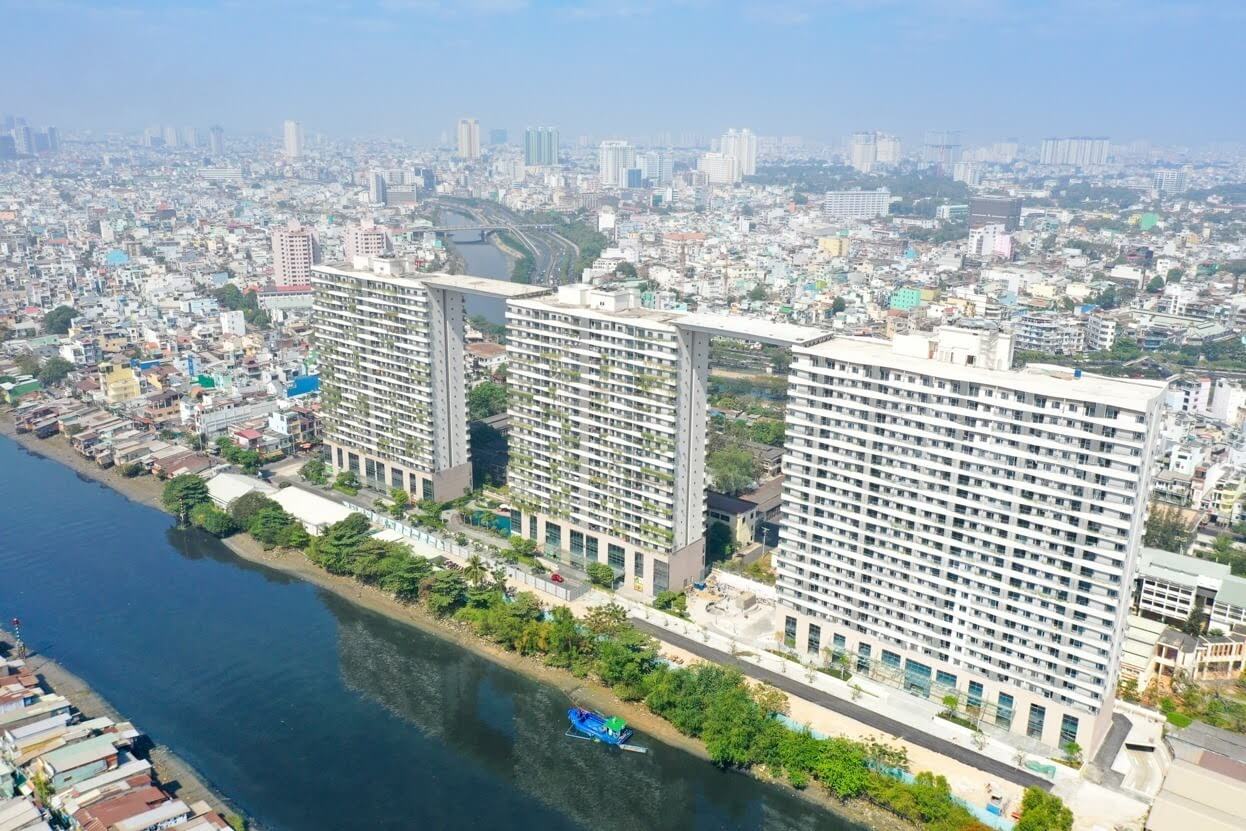
Binh Thanh sits between District 1 and Thao Dien, anchored by the Landmark 81 tower and a growing set of modern high-rises like Vinhomes Central Park. You get river and skyline views, newer buildings, and easy access to the center at a lower cost than D1. Expect roughly 500 to 900 USD for a modern one-bedroom.
Phu Nhuan: Quieter and Cheaper
Phu Nhuan is a residential district that draws nomads who want lower costs and a local rhythm while staying close to the center. It is calmer than the expat hotspots, and your money goes further, with one-bedrooms often in the 400 to 650 USD range.
Best Workspaces for Digital Nomads

Working from your apartment gets old fast, and Ho Chi Minh City gives you plenty of alternatives. You will move between three main options depending on the day and the task in front of you.
Coworking spaces
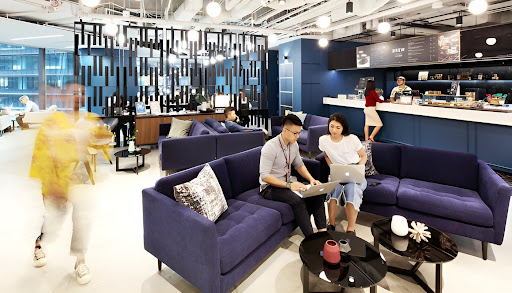
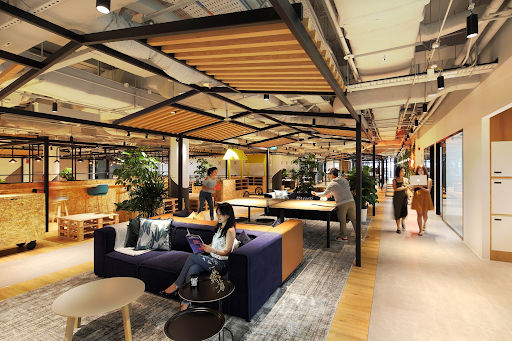
The city has some of the best-equipped coworking spaces in Vietnam. Memberships usually run 60 to 120 USD a month for standard plans, with premium spaces in prime District 1 towers priced higher. You pay for reliable internet, air conditioning, meeting rooms, printers, and a professional setting for client calls. Just as valuable is the community that comes with a membership, since most spaces run networking events and social nights. If you want a head start on comparing options, JustCo published a guide to coworking spaces in Ho Chi Minh City that walks through the main players.
Laptop-friendly cafes
Saigon runs on coffee, and the cafe scene doubles as a network of free offices. You will find strong Wi-Fi and power outlets across District 1, Thao Dien, Binh Thanh, and Phu Nhuan. A day of work costs the price of a couple of drinks. Cafes suit solo focus and short sessions well. For long calls or sensitive client work, a coworking desk gives you the quiet and the privacy a public room cannot.
Coliving and serviced apartments
Some remote workers skip the daily commute entirely by choosing a coliving space or a serviced apartment with a proper work area. These come furnished, bundle utilities and Wi-Fi, and often include a shared lounge. They cost more than a bare apartment, though the convenience appeals to anyone staying a month or two who does not want to buy furniture or chase down an internet installer.
What to check before you commit
A workspace looks fine until you try to run a video call at 2 p.m. Run through this short list before you sign up or settle in:
- Test the actual Wi-Fi speed at the time of day you usually work, not just when you walk in
- Confirm there are power outlets near the seats you would use
- Check the air conditioning and noise level during peak hours
- Ask about 24/7 access if you work across time zones
- Look for meeting rooms or phone booths for private calls
Looking for a workspace solution?
Visa Options for Remote Workers in 2026
The honest version is this. As of 2026, Vietnam has no dedicated digital nomad visa in the way Thailand and Malaysia do. That has not stopped a large remote community from settling here, because the existing routes work fine with a little planning. For a broader look at the money and paperwork side, this Vietnam visa guide from Wise is worth bookmarking.
Visa-free entry for short stays
Citizens of many countries, including the United States, the United Kingdom, most of the EU, Canada, and Australia, can enter visa-free for up to 45 days. Your passport needs at least six months of validity beyond your entry date. The 45-day window cannot be extended, so you leave before it runs out. This suits first-timers testing the waters or anyone on a rotating Southeast Asia schedule.
The 90-day e-visa: the main route
Most remote workers in the city use the 90-day e-visa. It is available to citizens of almost every country, the whole process runs online, and approval usually takes 3 to 5 business days. You apply at the official Vietnam e-visa portal with a passport scan, a photo, and basic details. The pricing is straightforward:
- Single-entry e-visa: around 25 USD, good for one 90-day stay
- Multiple-entry e-visa: around 50 USD, letting you exit to nearby countries and return without reapplying
For anyone planning weekend trips around the region, the multiple-entry version is the one to get.
Visa runs and how they work
Once your 90 days are up, the common move is a visa run. You fly to a neighboring country such as Cambodia, Thailand, or Singapore for a short trip, apply for a fresh e-visa while abroad, and re-enter on the new one. Flights are cheap and the trips double as mini-holidays. Over many months this becomes an administrative chore, so nomads planning a long stay often look into a longer business visa or residence route instead.
Watch your dates. Overstaying triggers fines that start at roughly 500,000 VND per day (about 20 USD) and can lead to being blacklisted. Track your expiry date and plan your exit with room to spare.
The Talent Visa and what may come
Vietnam launched a five-year Talent Visa, formally the Special Visa Exemption Card, under Decree 221/2025/ND-CP in August 2025. It sounds appealing at five years and multiple entry, but it targets top-tier academics, senior scientists, major-company executives, and prominent artists. Most nomads will not qualify. A broader Golden Visa program has been proposed and remains on paper for now, so the e-visa plus visa runs stays the realistic path in 2026.
One practical note. The e-visa does not authorize local employment. In practice, enforcement focuses on foreigners working for Vietnamese companies without a permit, not on people earning income from clients abroad.
Keep your work remote, keep clean records, and you stay within the norm that the community operates under.
Cost of Living Breakdown (2026)
Numbers make the case better than adjectives, so this is a realistic monthly budget for one person. Your total shifts with your neighborhood and how often you eat Western food or take taxis over motorbikes. For a deeper breakdown, this Ho Chi Minh City cost of living guide lines up well with what most nomads report.
| Expense | Monthly range (USD) |
| Rent (mid-range 1BR) | 500 to 900 |
| Coworking membership | 60 to 120 (premium spaces higher) |
| Food (local plus some Western) | 250 to 400 |
| Transport (Grab and occasional scooter) | 100 to 180 |
| SIM, data, and utilities | 60 to 120 |
| Coffee, social life, and extras | 150 to 300 |
| Rough total | 1,100 to 2,000 |
Eat local most days and rely on a motorbike, and you can live comfortably closer to 1,000 USD. Add a riverside apartment with a pool, daily Western meals, and a premium desk in a District 1 tower, and you climb toward the top of the range. Either way, the food and travel you get for the money are hard to match elsewhere in the region.
Practical Tips for Settling In
The difference between a rough first week and a smooth one comes down to a handful of habits. Sort these early and the rest takes care of itself.
Getting around
Grab is the app you install on day one. It handles cars and motorbike taxis, and a 5 km ride costs about 1.50 to 3 USD. Many nomads rent a scooter for 60 to 90 USD a month once they are comfortable, though the traffic is intense and worth easing into. Walking works in District 1 and parts of District 3, less so elsewhere.
Staying connected
A local SIM or eSIM is cheap and fast. Viettel, Mobifone, and Vinaphone all offer generous data plans for a few dollars, which keeps you online when you step away from Wi-Fi. Buy one at the airport or any phone shop with your passport. Pair it with strong cafe and coworking Wi-Fi and you rarely lose signal.
Finding a place to stay
Start with a short-term rental for your first one or two months while you learn the neighborhoods. Thao Dien, Binh Thanh, and Phu Nhuan all have active listings. Look at serviced apartments and reputable local Facebook groups, ask for all-in pricing that folds in utilities and Wi-Fi, expect around one month’s deposit, and get a simple written contract. Locking into a year-long lease before you know the city is the mistake to avoid.
Health and safety
Ho Chi Minh City is generally safe, and violent crime is rare. The two things to watch are petty theft, usually bag or phone snatching from passing motorbikes, and the traffic itself. Hold your phone with two hands away from the curb, and cross streets at a steady, predictable pace. Private international clinics handle routine care well at fair prices, and solid travel or health insurance covers you for anything serious.
Beating isolation and building a routine
The trick is a routine. Pick one home cafe and one coworking base, show up to the same weekly meetup twice, and join two or three Facebook groups for nomads and expats in the city. Within a couple of weeks you have a regular circle and a shape to your days, and that is usually what turns a three-month trip into a stay you keep extending.
Work from JustCo in the Heart of District 1
If you want a professional base without a long lease, JustCo sits on level 19 of Riverfront Financial Centre on Ton Duc Thang Street, right by the Saigon River in District 1.
Hot desk membership starts at 4,900,000 VND a month and comes with 24/7 access, fast internet, free-flow drinks, mail handling, and showers for after your morning ride in.
You also get meeting rooms when you need them, entry to community events across our Asia network, and the JustCo app that unlocks doors with your phone. It suits remote workers who want a shared desk one week and a private office the next.
Come see the Riverfront Financial Centre space for yourself.
Book a tour today and we will find a time that works for you.

 3 min